Year-Round Climate Control From One System
Heat Pump Services in Milltown for inadequate heating or cooling, frequent cycling, or reduced airflow
Heat pumps transfer thermal energy rather than generate it through combustion, reversing refrigerant flow to provide heating during cold months and cooling during warm weather from a single installed system. This dual-function design requires professional installation that accounts for outdoor unit placement, refrigerant line sizing, and indoor air handler configuration, plus repair and maintenance that address components affecting both operational modes. Rylee Home Services handles heat pump installation, repair, and maintenance in Milltown when systems no longer maintain comfortable indoor temperatures across New Jersey's seasonal temperature swings or when operational problems indicate component failure.
Service addresses short-cycling that prevents systems from completing full heating or cooling cycles, weak airflow from indoor units that suggests blower motor problems or restricted coils, and outdoor units that ice over during heating mode due to defrost control failures. Unusual noises during compressor operation, refrigerant leaks that reduce system capacity, and backup heat strips that activate unnecessarily all require diagnostic evaluation to identify whether electrical controls, refrigerant charge levels, or mechanical components need correction.
Request an on-site assessment to diagnose heat pump performance problems and review repair or replacement recommendations.
What You Notice Once Heat Pump Service Completes
Proper heat pump work restores the system's ability to maintain set temperatures without excessive cycling or reliance on supplemental heat. Technicians verify correct refrigerant charge using manufacturer specifications, clean indoor and outdoor coils that restrict airflow when dust and debris accumulate, and test defrost controls that prevent ice buildup from blocking outdoor coil surfaces during heating operation. Electrical connections receive inspection to prevent loose terminals from causing intermittent failures, and thermostat calibration ensures accurate temperature sensing that prevents uncomfortable temperature swings.
After service, indoor temperatures stabilize at thermostat settings without the frequent on-off cycling that occurs when refrigerant levels drop or when dirty coils force systems to run longer to achieve desired temperatures. Airflow from registers returns to normal volume, eliminating the weak output that indicates blower problems or severely restricted filters. Ice no longer forms on outdoor units during winter heating operation, and backup resistance heat stops activating during moderate weather when the heat pump itself should provide adequate capacity.
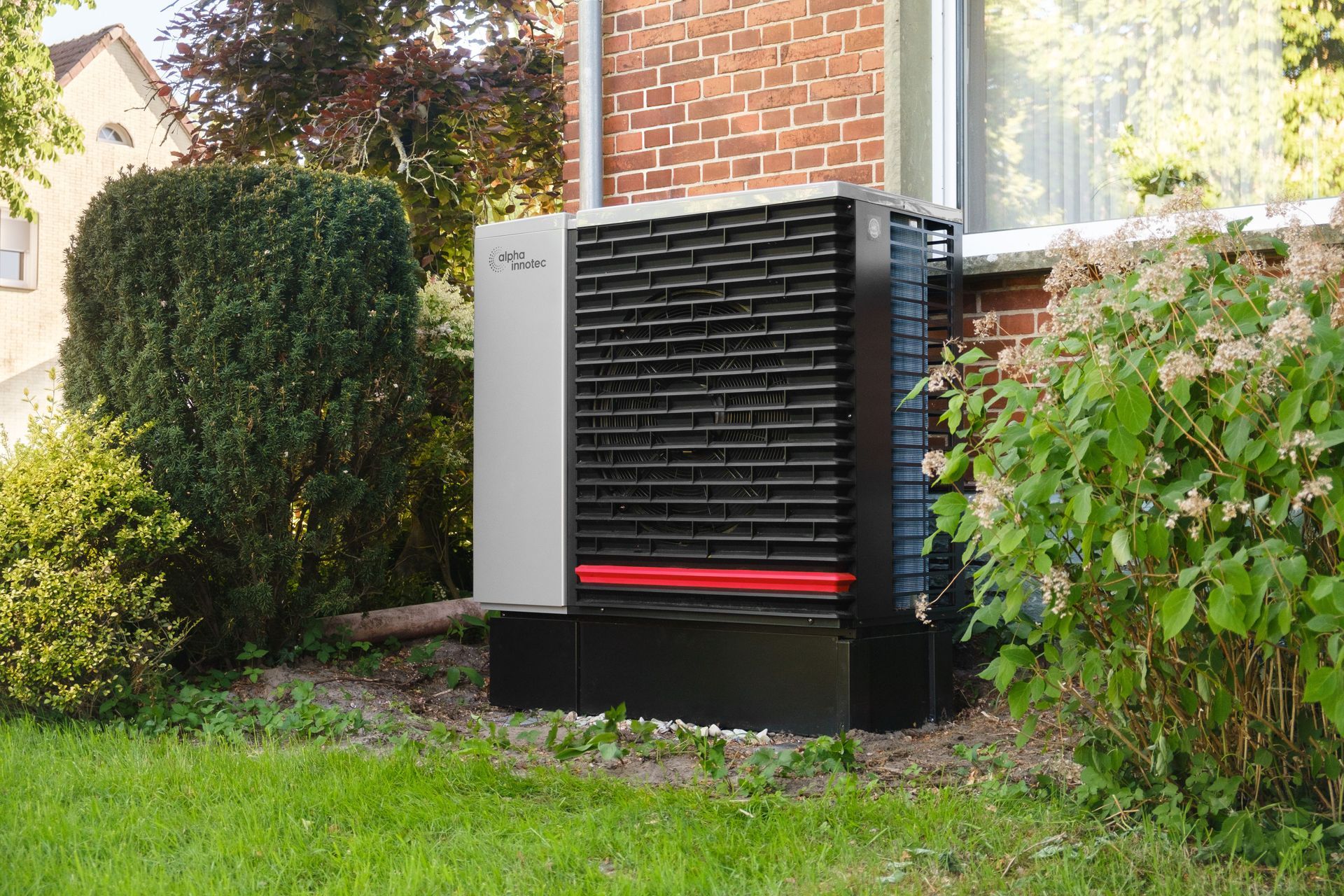
Installation includes proper outdoor unit placement that allows adequate airflow clearance, prevents snow accumulation from blocking coil surfaces, and positions condensate drainage away from walkways where freezing creates hazards. Indoor air handlers require correct ductwork connections and condensate line routing that prevents water damage when drainage becomes obstructed.
Answers to Frequent Service Questions
Homeowners considering heat pumps or experiencing performance problems often ask how these systems function in variable climates and what symptoms require professional attention.
How do heat pumps perform during New Jersey winters?
Modern cold-climate heat pumps extract usable heat from outdoor air down to temperatures well below freezing, though heating capacity decreases as outdoor temperatures drop, which is why systems include backup heat sources for extreme cold periods.
What causes ice to form on outdoor heat pump units?
During heating mode, outdoor coils release cold as they extract heat from exterior air, causing moisture to freeze on coil surfaces; defrost cycles periodically reverse operation to melt accumulated ice, but control failures allow excessive buildup that blocks airflow.
When should heat pump filters be changed?
Replace or clean filters monthly during heavy-use seasons and every three months during moderate weather to prevent restricted airflow that forces blower motors to work harder and reduces system efficiency.
Why does the outdoor unit run during winter?
Heat pumps extract thermal energy from outdoor air even when temperatures feel cold, requiring the outdoor unit to operate during heating mode while the indoor unit distributes warmed air throughout living spaces.
What maintenance prevents heat pump breakdowns?
Annual professional inspection includes refrigerant charge verification, electrical connection tightening, coil cleaning, condensate drain clearing, and testing defrost controls before heating season demands full system capacity.
Rylee Home Services evaluates heat pump systems based on current performance and household comfort requirements. Schedule service to restore dependable year-round heating and cooling operation.