
Targeted Comfort Without Extensive Ductwork
Ductless Mini-Split Services in Milltown for additions, converted spaces, and rooms with challenging layouts
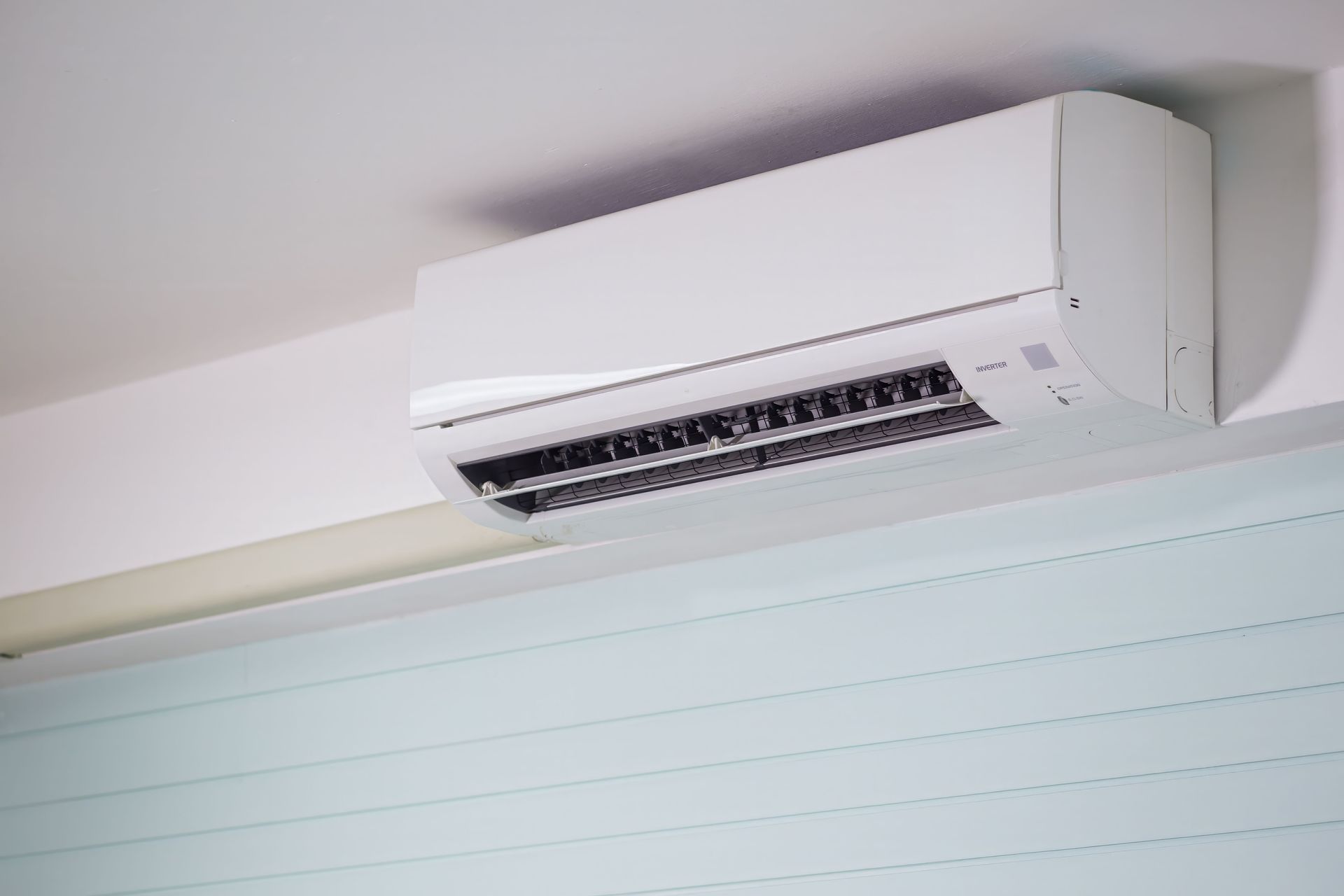
Finished attics lack the ductwork original HVAC systems serve, garage conversions require heating and cooling without extending existing ducts through finished ceilings, and sunrooms experience temperature extremes that central systems don't address effectively. Ductless mini-splits provide heating and cooling to individual spaces through wall-mounted indoor units connected to outdoor compressors via refrigerant lines, eliminating ductwork installation while allowing independent temperature control. Rylee Home Services installs, repairs, and maintains ductless mini-split systems in Milltown when traditional ducted systems prove impractical or when homeowners want direct control over specific area temperatures without affecting whole-house settings.
Service addresses weak airflow from indoor heads that indicates fan motor problems or clogged filters, refrigerant leaks at line set connections that reduce heating and cooling capacity, and drainage issues that cause water to drip from indoor units when condensate lines become obstructed. Installation requires proper outdoor unit placement, correctly sized refrigerant lines, and indoor head positioning that distributes conditioned air effectively without creating drafts or leaving dead spots.
Schedule a consultation to evaluate whether ductless mini-splits suit specific spaces and review installation requirements.
The Difference Between Ductless and Central Systems
Ductless systems condition air directly in the space where indoor units mount rather than distributing conditioned air through ductwork from a central location. Each indoor head operates independently with its own thermostat, allowing one room to receive cooling while another receives heating or remains off entirely. This zone control benefits homes where occupancy patterns vary by room or where architectural features make duct installation cost-prohibitive, though it requires homeowners to manage multiple controls rather than a single central thermostat.
After installation, previously uncomfortable rooms maintain set temperatures without relying on space heaters, window air conditioners, or hoping conditioned air migrates from other areas. Finished basements reach comfortable temperatures during summer humidity without the cold drafts that occur when oversized central systems try to dehumidify below-grade spaces. Converted garages provide year-round comfort without the extensive ductwork modifications that traditional system extensions require, and home additions receive immediate climate control without waiting for whole-house system upgrades.
Multi-zone systems connect several indoor units to one outdoor compressor, allowing independent control while limiting outdoor equipment to a single installation point. Refrigerant line sets run through small penetrations in exterior walls rather than requiring the large duct chases that traditional systems demand, making installation less invasive in finished spaces where concealing ductwork proves difficult.
What Property Owners Usually Ask
Questions about ductless systems typically focus on how they compare to traditional HVAC and what spaces benefit most from this approach.
What spaces work best for ductless mini-splits?
Additions without existing ductwork, finished attics and basements, converted garages, sunrooms with high thermal loads, and individual rooms where occupants want temperature control independent of whole-house settings all benefit from ductless installation.
How does maintenance differ from central HVAC systems?
Indoor units require monthly filter cleaning during heavy use and periodic drain line clearing to prevent water backup, while outdoor compressors need the same coil cleaning and electrical inspection that traditional condensing units require.
What causes ductless units to drip water?
Condensate drainage relies on gravity flow through small tubes to outdoor discharge points; when drain lines become obstructed by debris or develop improper slope during installation, condensation backs up and drips from indoor units rather than exiting properly.
Why might one indoor unit lose capacity while others work normally?
Multi-zone systems share refrigerant from a single outdoor compressor; leaks at specific line set connections reduce refrigerant available to that zone without affecting others, creating performance differences between indoor heads on the same system.
How do Milltown winters affect outdoor compressor placement?
Units require elevation above expected snow depth to prevent ice blockage of coil surfaces and must be positioned where roof avalanches or ice dams won't damage equipment during winter weather events common in Central New Jersey.
Rylee Home Services evaluates whether ductless mini-splits address specific comfort challenges based on space configuration and existing HVAC limitations. Request an evaluation to review installation options and equipment sizing for your particular spaces.